.png)

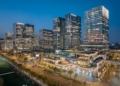
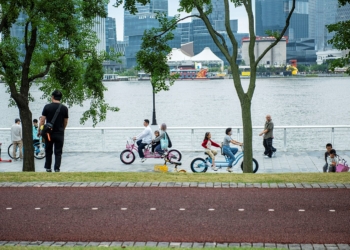
During the Golden Week holiday, a gentle breeze swept across Qiantan Leisure Park. In the playground, children zoomed past on bicycles while families lounged on expansive lawns, sharing afternoon conversations against a waterfront backdrop.
For Oliver Charles Burton-Towell and his family, these tranquil scenes are simply routine. They have even coined a affectionate nickname for the neighborhood: “Putopia”—their vision of an ideal home in Shanghai’s Pudong district.
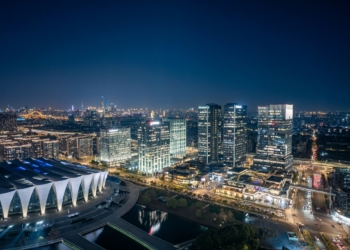
Oliver’s connection with China spans 13 years. Having lived in Shanghai as a youth, his return years later revealed a dramatic evolution. “It’s completely transformed from the Shanghai of my childhood—organized, modern, and remarkably efficient,” he says. “Everything a family needs is within walking distance.”
On weekends, the family explores at an unhurried pace. From open lawns near Wellington College International Shanghai to riverside trails, public spaces are seamlessly accessible. Occasionally, they roll their bikes onto the Qiantan Pier ferry to cross the river toward the West Bund Art Park.
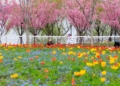
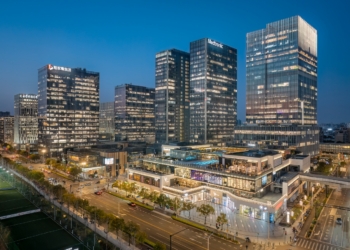
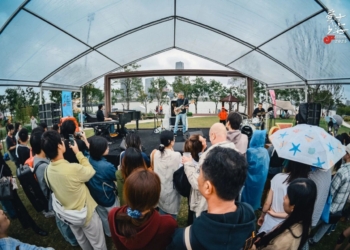
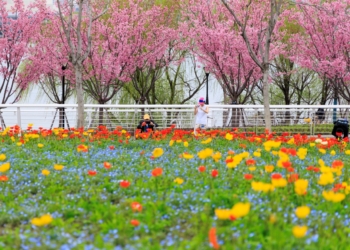
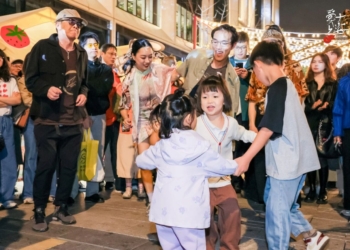
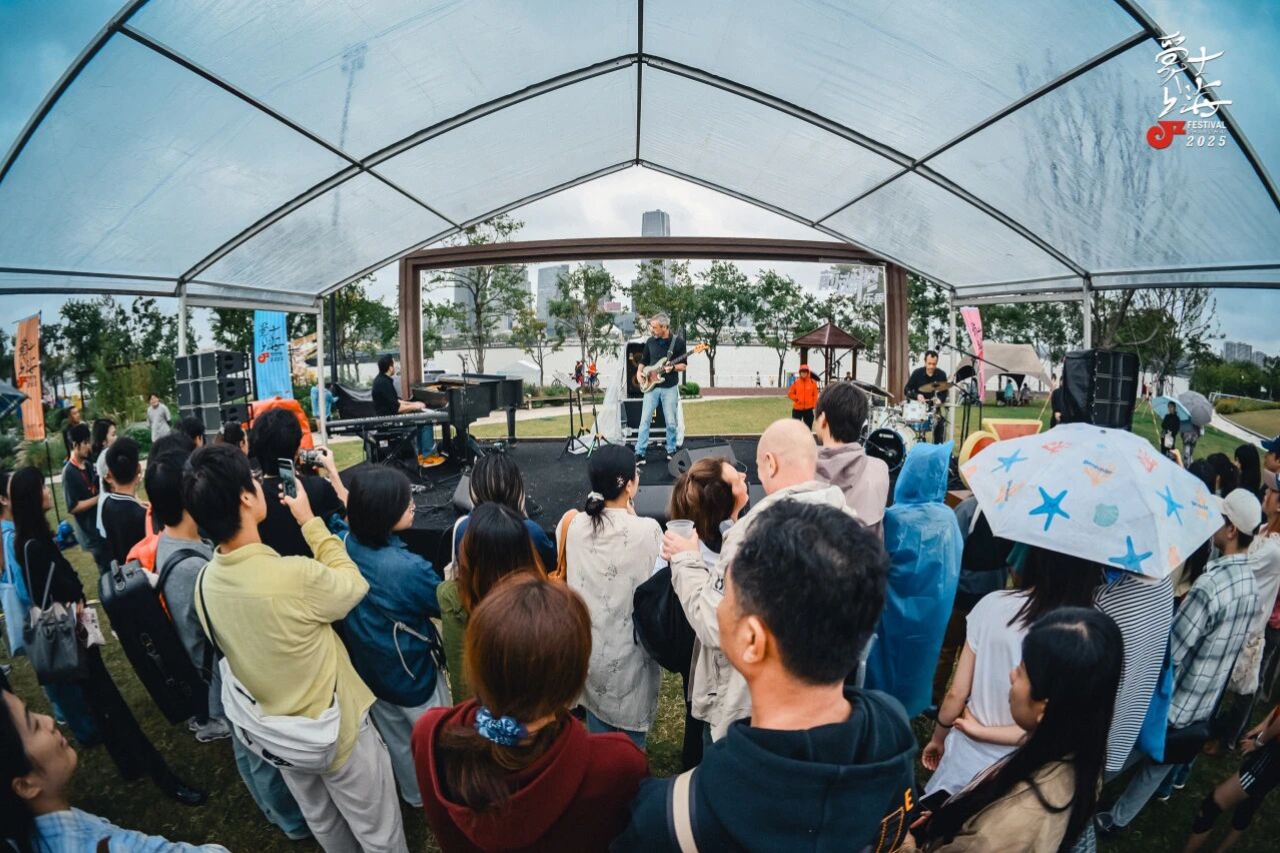
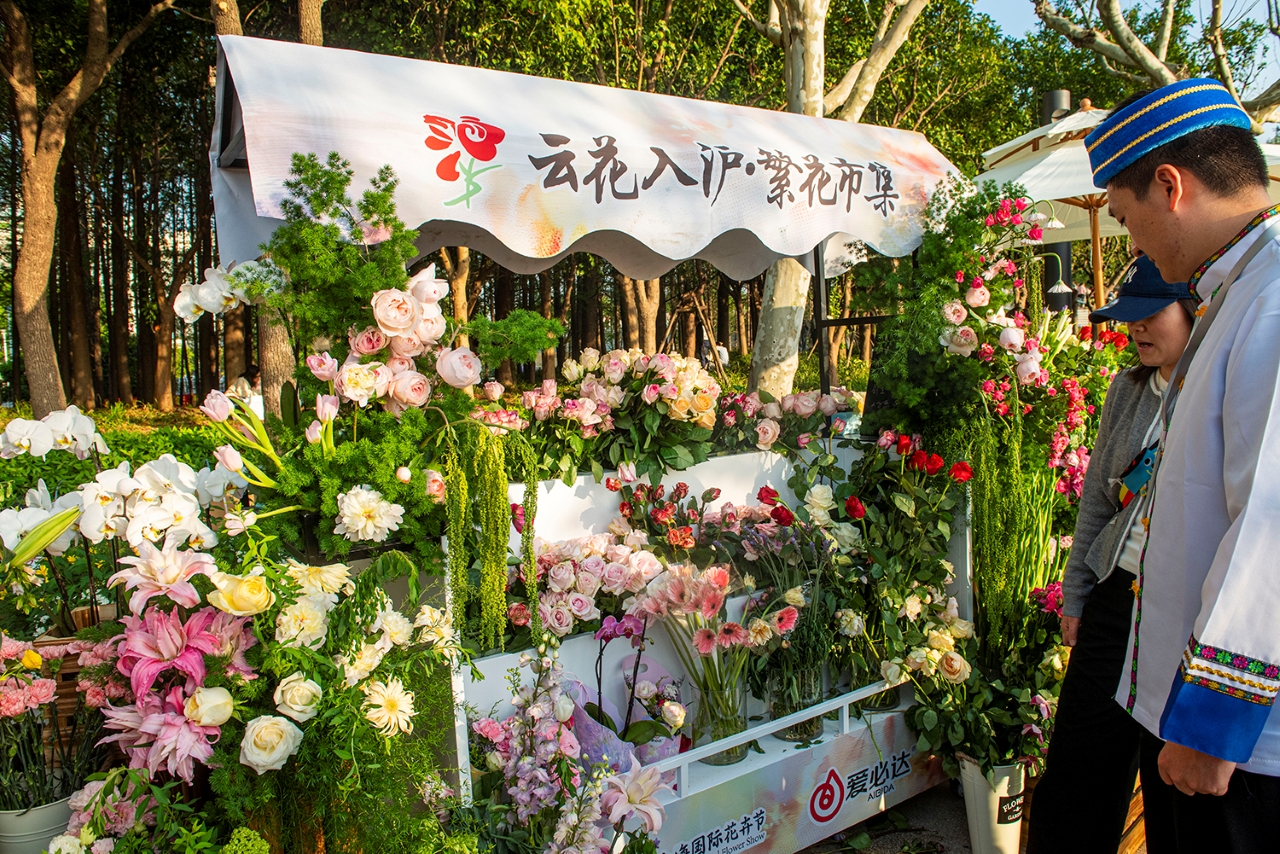
Retail and dining options are equally convenient, with Taikoo Li Qiantan and Crystal Plaza offering child-friendly play zones and international supermarkets. Throughout the year, Qiantan’s parks host rotating pop-up installations—from butterfly-shaped slides to festive floral displays. During the New Bund Chillout season, open-air markets burst into color across local gardens, turning weekend strolls into spontaneous family adventures.
For Oliver, an exceptional international community hinges on clear priorities: safety, convenience, and vibrant public life. “Safety is paramount, and my family feels completely at ease here,” he notes, citing well-stocked grocery options and rapid delivery services as everyday essentials. “Equally crucial are outdoor spaces where kids can explore freely, alongside sports courts where adults can exercise and socialize. Qiantan hits every mark.”
This year, when the Mid-Autumn Festival and National Day aligned, the family opted for a local staycation—cycling through parks, visiting museums, and gathering with friends.
This lifestyle reflects modern urban design principles. Cai Yongjie, a professor at Tongji University’s College of Architecture and Urban Planning, emphasizes that public greenery in international districts shouldn’t be merely aesthetic. Instead, it must function as “embedded infrastructure”—intimately linked to pedestrian lanes, bike networks, and local commerce.
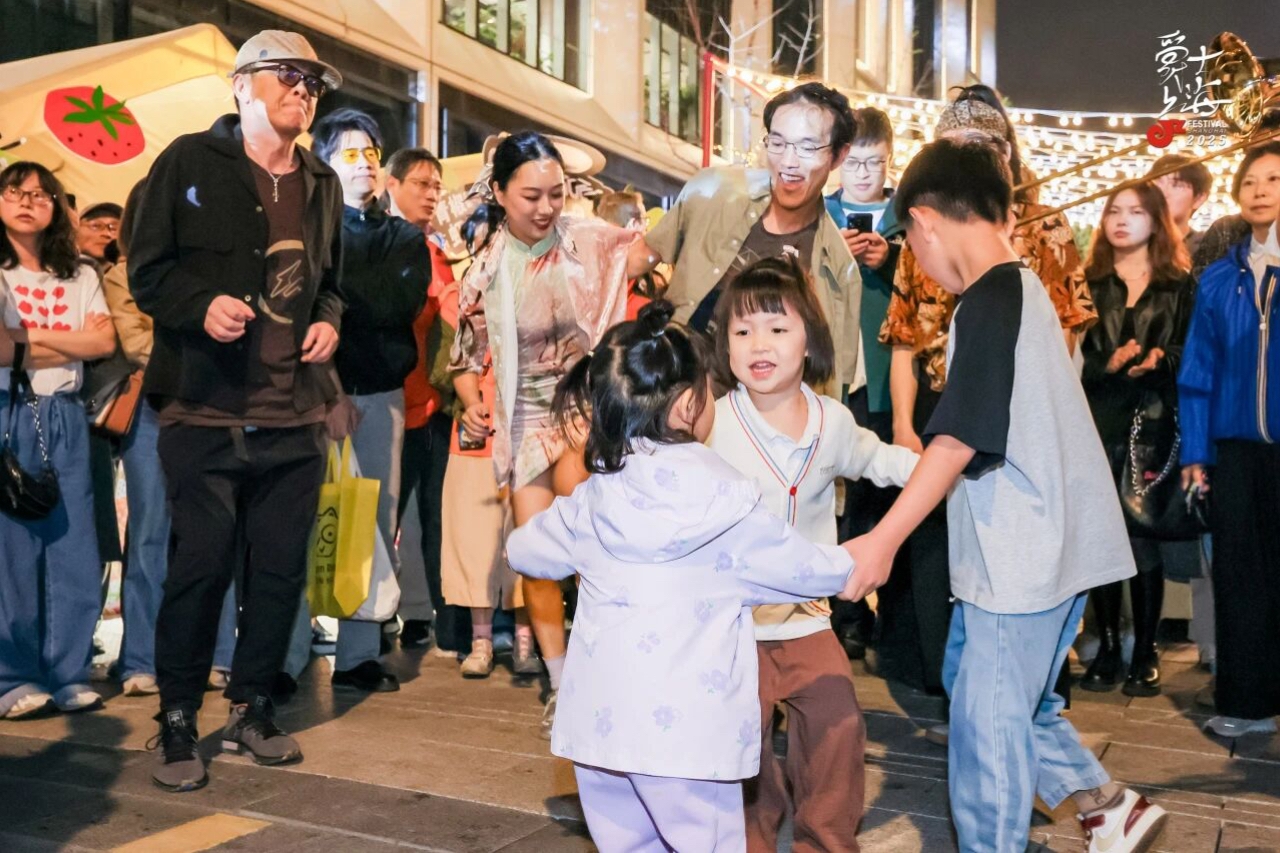
Qiantan’s waterfront parks embody this philosophy. Far from static scenery, they serve as active venues for daily recreation, seasonal markets, and neighborhood gatherings, converting green space into a catalyst for social interaction and local commerce.
Ultimately, an urban district’s true quality lies not in towering architecture, but in the richness of daily human experience. As Qiantan evolves, its open, inclusive spaces offer international residents more than just a residence—they offer a genuine place to call home. (by CNS, Shanghai)