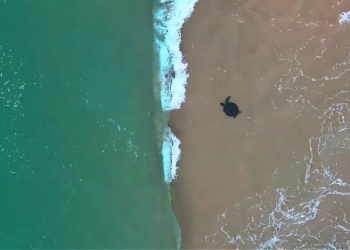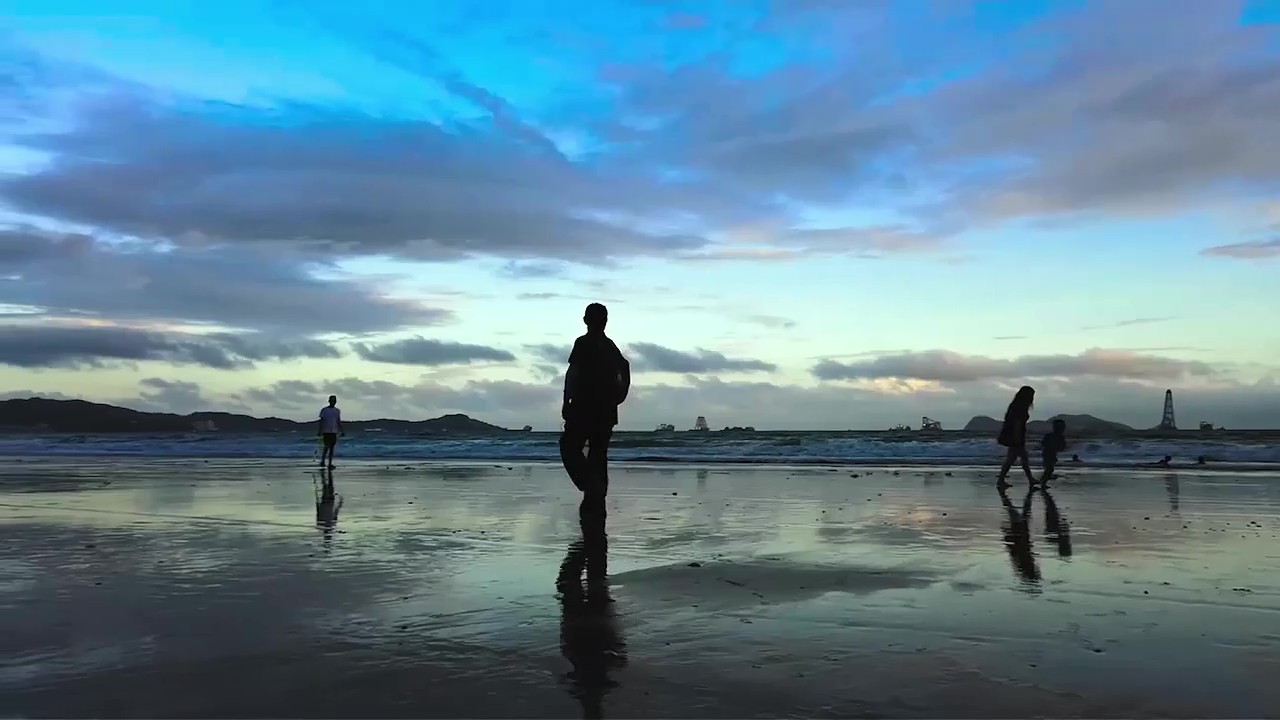

【Solace Media News Network】As one of the few remaining natural sea turtle nesting grounds along China’s 18,000-kilometer coastline, the Huizhou Sea Turtle National Nature Reserve in Guangdong has witnessed countless cycles of marine life. The documentary short film “Where Do the Sea Turtles Go: The Beidou Journey,” focusing on the real-world challenges of sea turtle conservation and innovative breakthroughs in domestic Beidou satellite tracking technology, continues to draw widespread attention to marine ecological protection.
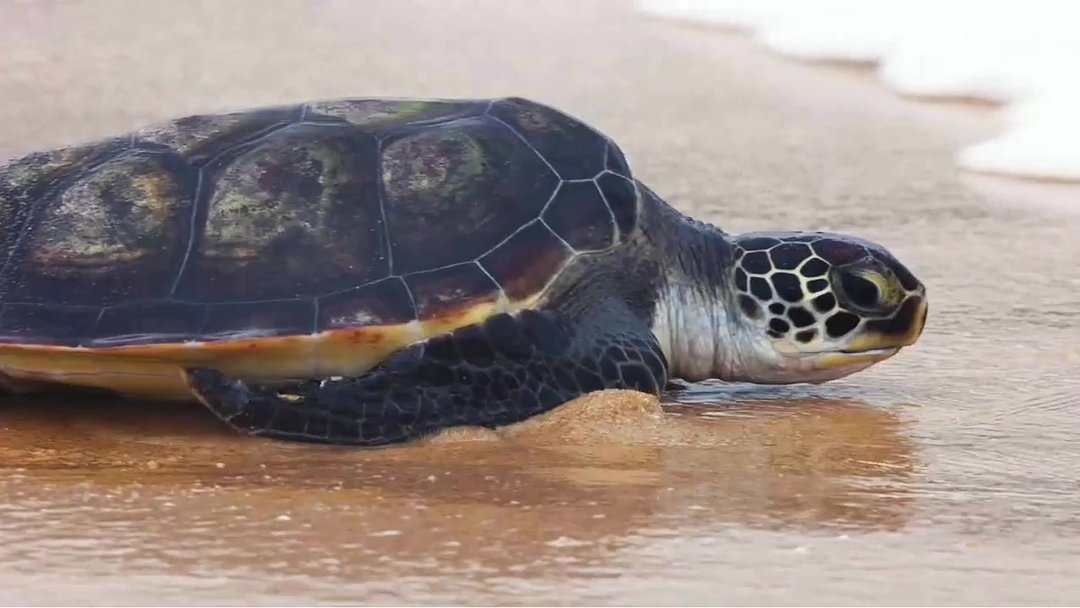
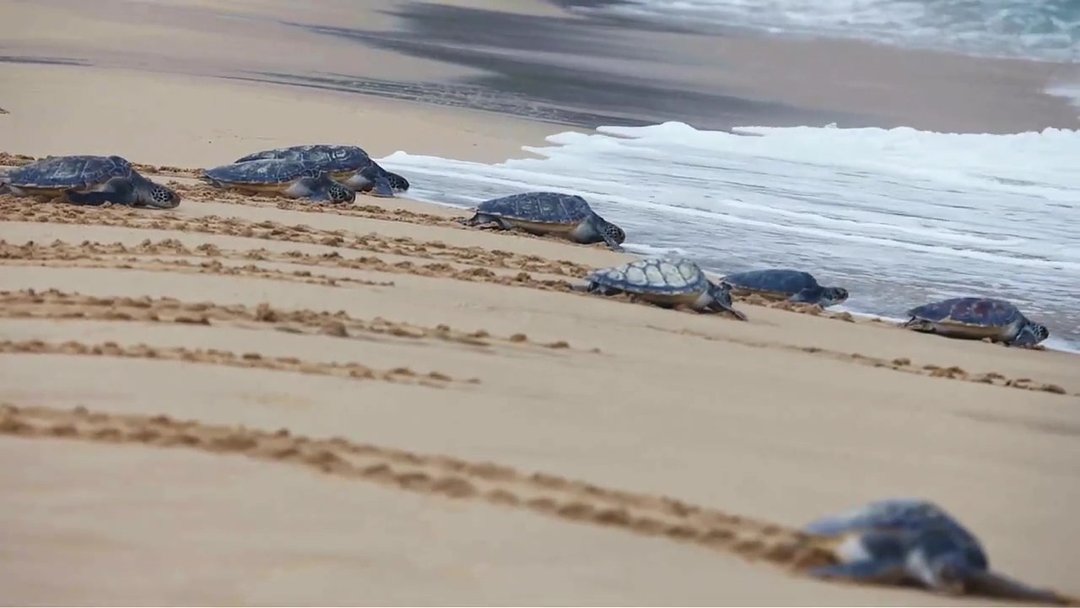
Home to nearly 4,000 sea turtles of various sizes, the Huizhou reserve has successfully hatched an average of 1,500 juveniles annually since a breakthrough in artificial breeding technology in 2017, making it the largest artificial breeding base for sea turtles in China. However, the natural survival rate of sea turtles in the open ocean is less than one in a thousand, and they face severe survival threats including commercial fishing, marine pollution, and habitat degradation.
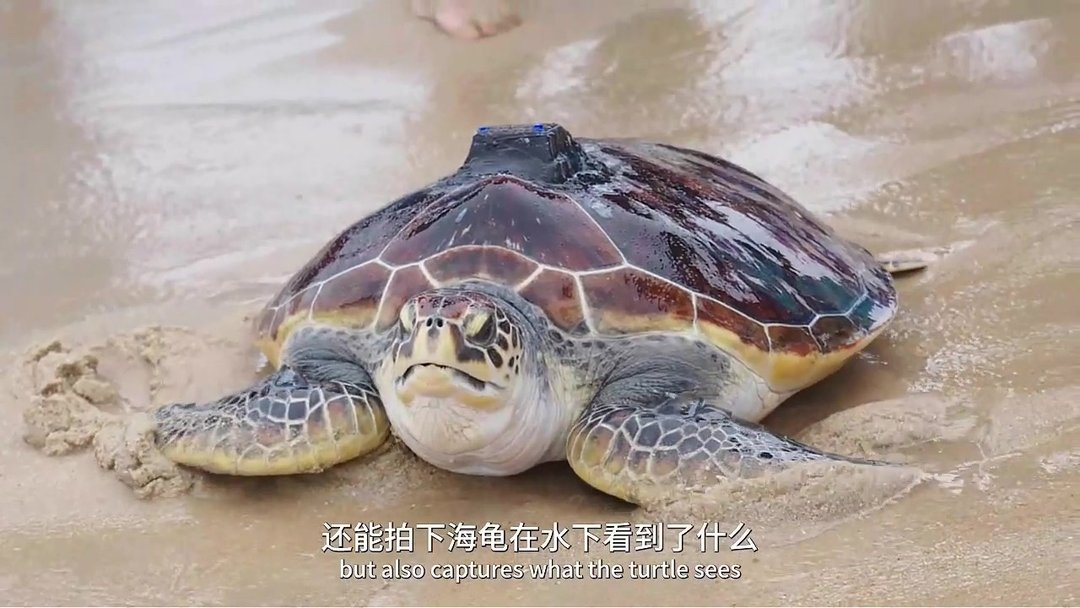
To overcome long-term reliance on imported equipment and restricted data transmission, researcher Xia Zhongrong and a scientific research team spent three years developing China’s first satellite tracker integrated with Beidou navigation technology. Featuring waterproof capabilities, low power consumption, and rapid positioning, the device operates without relying on ground base stations, enabling real-time data transmission from the open sea.
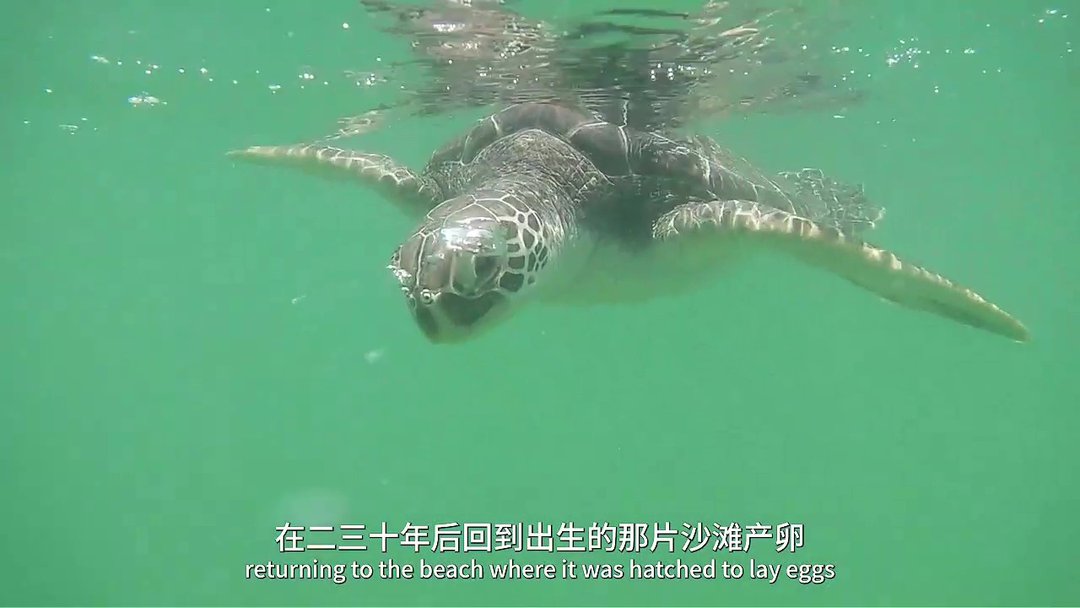
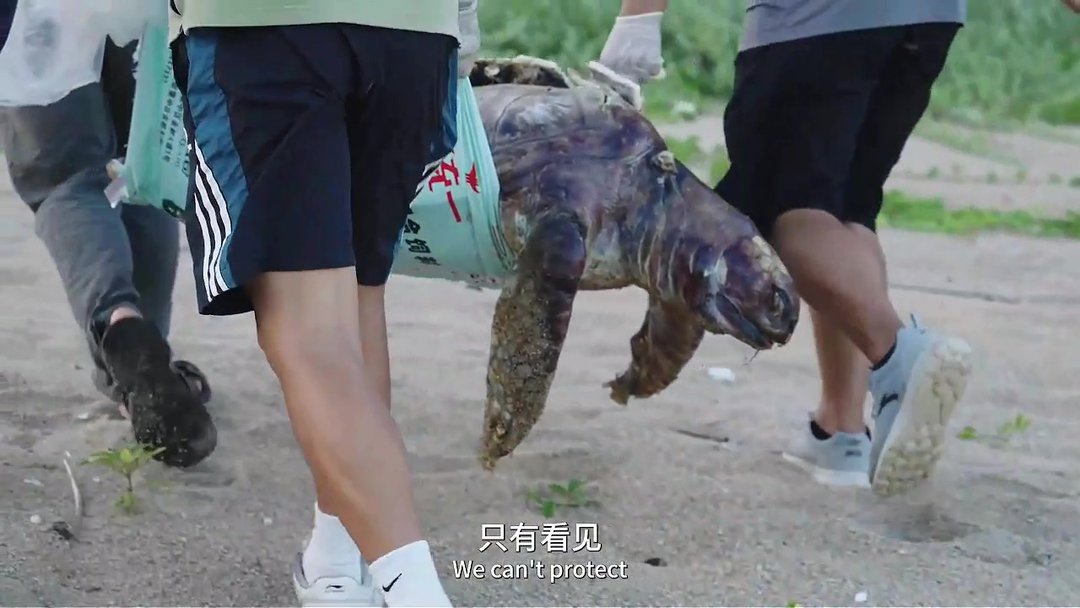
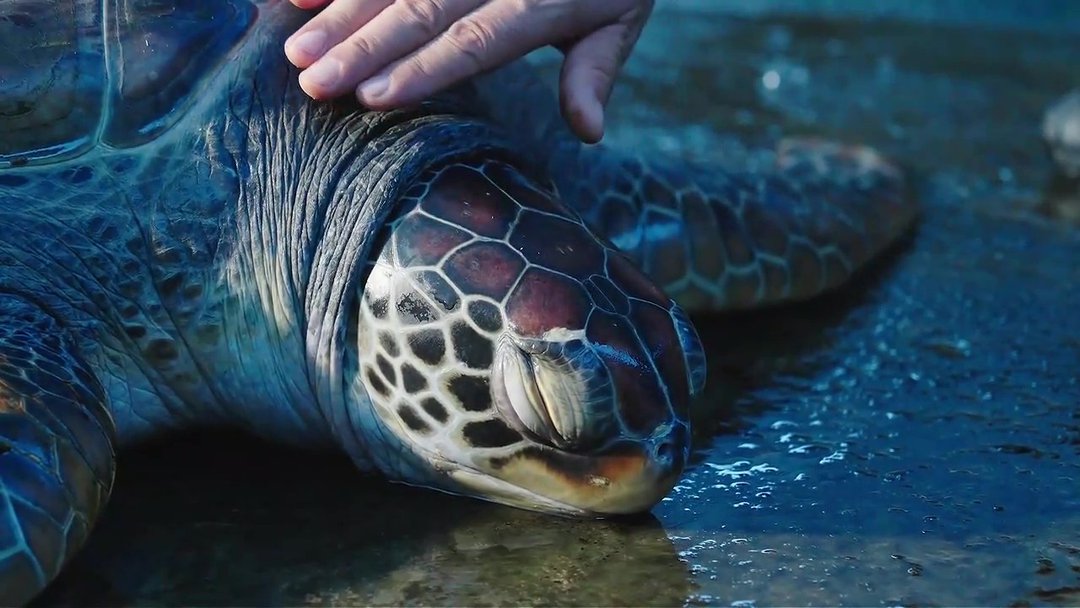
In the documentary, a turtle named “Xingtu,” fitted with the domestic Beidou tracker upon release, faced severe weather during a typhoon and entanglement in abandoned fishing nets. Leveraging the precise location data provided by the Beidou system, the rescue team successfully located and rescued “Xingtu” after hours of search operations. This successful intervention not only bridged backend early warning systems with frontline rescue efforts in real-time, but also underscored a vital realization: the true value of tracking technology lies not in recording the location of mortality, but in detecting threats and initiating rescues ahead of time.
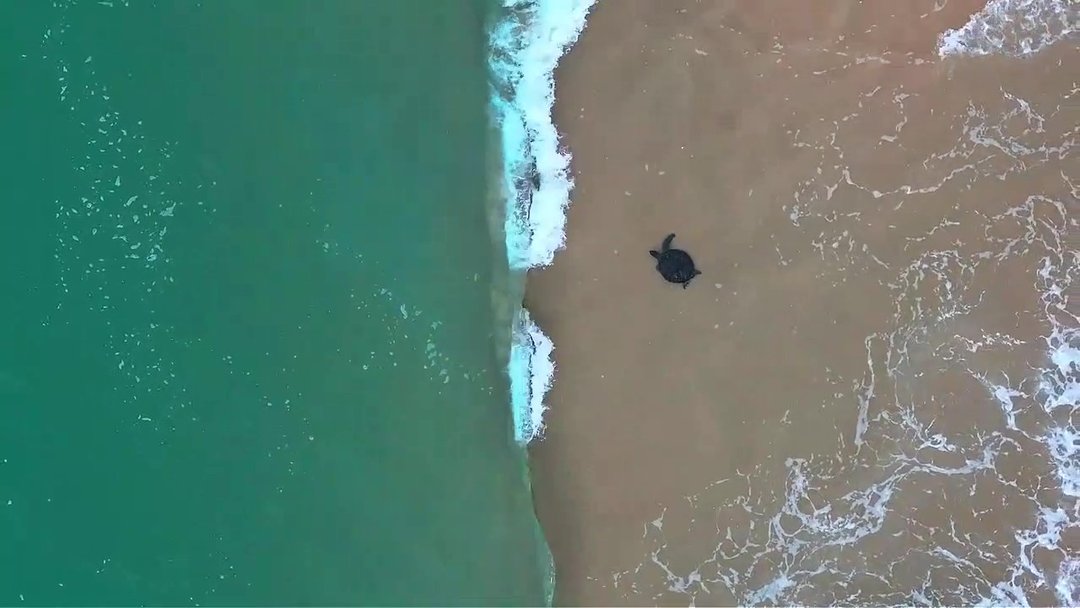
Currently, the research team is developing an upgraded tracker equipped with a camera to capture real-time underwater footage from a turtle’s perspective. The widespread sharing of this documentary raises public awareness regarding marine conservation while demonstrating technological contributions to safeguarding marine biodiversity and advancing ecological governance.